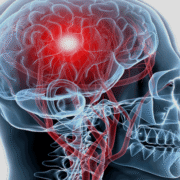

The Brain (Part 3) – Reversing Alzheimer’s Disease with the Bredesen Protocol
Dr. Harper Among First in Austin to Offer Bredesen Protocol for Reversing Alzheimer’s
For decades, Alzheimer’s disease carried a devastating prognosis with no hope for improvement, only a tragic progressive decline until death. Conventional treatments offered minimal benefit, temporarily masking symptoms without addressing underlying causes or restoring lost function. However, recent advances in understanding the mechanisms of neurodegeneration have led to comprehensive new approaches that challenge this bleak outlook – and offer hope of arresting or reversing Alzheimer’s Disease. At Ruthie Harper MD, Functional Medicine in Austin, TX, Dr. Ruthie Harper and Nurse Practitioner Kayleen Becker implement the Bredesen Protocol, showing promising results in reversing Alzheimer’s disease and restoring cognitive function.
The concept of reversing Alzheimer’s disease contradicts traditional medical understanding that viewed brain cell death as permanent and irreversible. However, emerging research demonstrates that the brain retains remarkable plasticity and regenerative capacity when provided with optimal conditions. By addressing the multiple factors driving neurodegeneration simultaneously, the Bredesen Protocol has enabled some patients to experience not just stabilization but actual improvement in cognitive function, memory, and daily living capabilities.
The Science Behind Reversing Alzheimer’s Disease
Dr. Dale Bredesen’s research at UCLA revealed that Alzheimer’s disease results from an imbalance between synaptoblastic processes that build and maintain brain connections and synaptoclastic processes that prune and remove them. When the factors promoting synapse destruction overwhelm those supporting synapse formation, cognitive decline occurs. According to research published in Aging, addressing the numerous contributors to this imbalance can shift the brain back toward synapse building and potentially reverse Alzheimer’s disease in its earlier stages.
The brain produces amyloid-beta protein as a protective response to metabolic stress, inflammation, toxic exposures, and insufficient nutrients or hormones. Rather than being the primary cause of Alzheimer’s disease, amyloid represents the brain’s attempt to defend itself against these upstream problems. When the underlying issues persist, protective amyloid accumulation becomes pathological, interfering with neuron communication and ultimately contributing to cell death.
Reversing Alzheimer’s disease requires identifying which of the 36-plus factors are driving neurodegeneration in each individual. Comprehensive testing evaluates metabolic markers including fasting insulin and hemoglobin A1c, inflammatory markers such as CRP and homocysteine, hormone levels including thyroid and sex hormones, nutrient status especially B vitamins and vitamin D, toxic burden including heavy metals and mold exposure, genetic risk factors particularly the ApoE4 gene, and detailed cognitive assessment using validated testing instruments.
The protocol then implements personalized interventions targeting identified deficiencies and imbalances. Success in reversing Alzheimer’s disease appears most likely when treatment begins during mild cognitive impairment or early-stage dementia, though some patients with more advanced disease also show improvement.
Kayleen Becker at Ruthie Harper MD, Functional Medicine is one of only a few providers in Austin, TX trained and certified in the Bredesen Protocol, offering specialized expertise in implementing this comprehensive approach to reversing Alzheimer’s disease.
Metabolic Optimization for Reversing Alzheimer’s Disease
Insulin resistance and impaired glucose metabolism in the brain represent primary drivers of neurodegeneration that must be corrected when reversing Alzheimer’s disease. The brain of someone with Alzheimer’s disease shows significantly reduced ability to use glucose for energy, essentially starving neurons of fuel. Research from the Journal of Alzheimer’s Disease demonstrates that providing ketones as an alternative fuel source can partially bypass this metabolic block and improve cognitive function.
The Bredesen Protocol implements a mildly ketogenic diet that shifts metabolism toward fat burning and ketone production. Ketones not only fuel brain cells when glucose metabolism is impaired, but also reduce inflammation, support mitochondrial function, and enhance production of BDNF, a growth factor crucial for neuron survival. Some patients show cognitive improvement within weeks of adopting this metabolic approach.
Optimizing insulin sensitivity through dietary changes, exercise, and targeted supplements helps restore the brain’s ability to use glucose efficiently. Time-restricted eating, where food consumption occurs within a 12-hour window daily, enhances metabolic flexibility and activates cellular cleanup processes called autophagy that remove damaged proteins including amyloid and tau. According to research in Cell Metabolism, fasting periods of 12-16 hours overnight support brain health by allowing these cleanup systems to function optimally.
Blood sugar stability throughout the day prevents the damaging spikes and crashes that promote inflammation and insulin resistance. The protocol emphasizes whole foods, adequate protein, healthy fats, abundant vegetables, and elimination of refined carbohydrates and sugars. This nutritional foundation proves essential for reversing Alzheimer’s disease by correcting the metabolic dysfunction underlying neurodegeneration.
Functional medicine doctor Ruthie Harper, MD and our nurse practitioner Kayleen implement personalized metabolic optimization protocols based on comprehensive testing, recognizing that correcting brain energy metabolism represents a cornerstone of reversing Alzheimer’s disease.
Inflammations Role in Reversing Alzheimer’s Disease
Chronic inflammation accelerates brain cell death and must be addressed when attempting to reverse Alzheimer’s disease. Inflammatory molecules damage neurons directly while also impairing the brain’s immune cells called microglia. When functioning properly, microglia clear amyloid plaques and support neuron health, but chronic inflammation causes them to become destructive. Research in Nature Reviews Neurology shows that reducing systemic inflammation allows microglia to return to their beneficial functions.
The gut represents a major source of inflammation affecting the brain through the gut-brain axis. Intestinal permeability allows bacterial toxins and inflammatory molecules to enter circulation and reach the brain. Imbalanced gut bacteria produce metabolites that either support or impair cognitive function. Addressing gut health through dietary changes, probiotic supplementation, and treatment of infections or dysbiosis reduces inflammation and supports the process of reversing Alzheimer’s disease.
Hidden chronic infections including periodontal disease, Lyme disease, and herpes viruses trigger ongoing inflammatory responses that damage the brain. The Bredesen Protocol includes testing for these infections and treating them appropriately. Periodontal health particularly matters, as oral bacteria can directly enter the brain and have been found in the amyloid plaques of Alzheimer’s patients.
An anti-inflammatory diet rich in colorful vegetables, omega-3 fatty acids from fish or algae, and low in processed foods and added sugars reduces inflammatory burden. Some individuals require elimination of specific foods including gluten or dairy that trigger immune responses. Curcumin, resveratrol, and other plant compounds possess anti-inflammatory properties that support brain health.
Kayleen Becker, FNP and Ruthie Harper, MD evaluate inflammatory markers and implements comprehensive protocols to reduce inflammation as part of the multifaceted approach to reversing Alzheimer’s disease.
Hormonal Support for Reversing Alzheimer’s Disease
Hormones provide critical support for brain structure and function, and optimizing hormone levels contributes to reversing Alzheimer’s disease by promoting neuron survival and growth of new connections. Estrogen supports memory formation, protects against oxidative stress, promotes neuroplasticity, and reduces amyloid accumulation. Research demonstrates that estrogen deficiency accelerates cognitive decline, while appropriate estrogen therapy in some patients supports brain health.
Thyroid hormones regulate brain metabolism and energy production. Even mild thyroid dysfunction impairs cognitive function, and optimizing thyroid hormone levels proves essential for reversing Alzheimer’s disease. This includes ensuring adequate conversion of T4 to the active T3 form and addressing autoimmune thyroid conditions that contribute to inflammation.
Progesterone possesses neuroprotective properties and supports myelin formation. Testosterone in both men and women promotes cognitive function and protects against neurodegeneration. Pregnenolone, the mother hormone from which other hormones are made, declines with age and supports memory and cognitive processing when supplemented appropriately.
Cortisol elevation from chronic stress damages the hippocampus and impairs memory formation. The Bredesen Protocol addresses stress management through various techniques and optimizes the adrenal hormones that regulate stress responses. Growth hormone and IGF-1 also support brain health, with levels declining significantly with age.
Functional medicine doctor Dr. Ruthie Harper, MD in Austin, TX specializes in comprehensive hormone optimization, using bioidentical hormones when appropriate as part of protocols for reversing Alzheimer’s disease.
Bredesen Protocol: Detoxification and Neuroprotection
Toxic exposures contribute significantly to Alzheimer’s disease, and reducing toxic burden represents an important component of reversing Alzheimer’s disease. Heavy metals including mercury from dental amalgams and fish, aluminum from cookware and antiperspirants, lead from old paint and plumbing, and other metals accumulate in brain tissue over decades. According to research in Toxicology, individuals with Alzheimer’s disease show higher brain concentrations of these neurotoxic metals.
Mold toxicity represents an underrecognized contributor to cognitive decline. Certain mycotoxins cross the blood-brain barrier and directly damage neurons while triggering inflammatory responses. Many patients with cognitive decline have been exposed to water-damaged buildings containing toxic mold. Testing for mycotoxins and addressing mold exposure when present proves crucial for some patients attempting to reverse Alzheimer’s disease.
Air pollution, pesticides, and industrial chemicals also contribute to neurodegeneration through oxidative stress and mitochondrial damage. Minimizing ongoing exposures while supporting detoxification pathways helps reduce the toxic burden on the brain. This includes choosing organic foods, filtering air and water, avoiding toxic personal care and cleaning products, and supporting liver and kidney function.
Antioxidants protect the brain from toxic damage and oxidative stress. Glutathione, the master antioxidant, declines with age and can be supported through supplementation with N-acetylcysteine or liposomal glutathione. Other neuroprotective compounds include vitamins C and E, alpha-lipoic acid, and various plant antioxidants.
Kayleen Becker, FNP and Ruthie Harper MD, in Austin, TX assesses toxic burdens through specialized testing and implements safe detoxification protocols that support the brain’s ability to heal when reversing Alzheimer’s disease.
Lifestyle Interventions for Reversing Alzheimer’s
Physical exercise represents one of the most powerful interventions for brain health and reversing Alzheimer’s disease. Exercise increases BDNF production, enhances cerebral blood flow, promotes growth of new neurons and connections, improves insulin sensitivity, reduces inflammation, and supports mitochondrial function. Research in Neurology shows that both aerobic exercise and strength training improve cognitive function in people with mild cognitive impairment and early Alzheimer’s disease.
Sleep quality critically affects the brain’s ability to clear toxic waste products including amyloid-beta and tau proteins. During deep sleep, the glymphatic system actively removes these proteins from brain tissue. The Bredesen Protocol emphasizes achieving 7-8 hours of quality sleep nightly, addressing sleep disorders, and implementing sleep hygiene practices. Some patients require treatment of sleep apnea or other conditions disrupting restorative sleep.
Cognitive stimulation through learning new skills, puzzles, reading, and mentally challenging activities builds cognitive reserve and promotes neuroplasticity. Social engagement provides cognitive stimulation while reducing isolation and depression that accelerate decline. Stress management through meditation, yoga, time in nature, and other practices reduces cortisol and supports brain health.
Specific nutrients and supplements support the process of reversing Alzheimer’s disease including omega-3 fatty acids EPA and DHA, B vitamins especially B12 and folate, vitamin D, magnesium, zinc, and various plant compounds with neuroprotective properties. The exact protocol varies based on individual testing results.
Functional medicine doctor Dr. Ruthie Harper, MD in Austin, TX develops comprehensive lifestyle protocols tailored to each patient’s situation – based on the Bredesen Protocol – recognizing that reversing Alzheimer’s disease requires addressing multiple factors simultaneously rather than relying on any single intervention.
Bredesen Protocol for Reversing Alzheimer’s | Austin, TX
The possibility of reversing Alzheimer’s disease represents a profound shift from the hopelessness that has characterized this diagnosis for generations. While not every patient responds equally and earlier intervention offers better outcomes, the Bredesen Protocol has demonstrated that cognitive improvement is possible when the multiple drivers of neurodegeneration are systematically identified and addressed. This comprehensive functional medicine approach offers hope where conventional treatments have failed.
At Ruthie Harper MD, Functional Medicine in Austin, TX we specialize in implementing the Bredesen Protocol for patients with cognitive decline, offering expertise available in very few practices in Texas and the entire country. Through comprehensive testing, personalized interventions addressing metabolism, inflammation, hormones, toxins, and lifestyle factors, and ongoing monitoring, patients have the opportunity to not just slow decline but potentially reverse Alzheimer’s disease and reclaim cognitive function. If you or a loved one are experiencing cognitive changes, don’t accept decline as inevitable—schedule an appointment to discover how the groundbreaking Bredesen Protocol might help restore memory, clarity, and quality of life.