
ac upuncture Austin, TX

The History of Acupuncture: From Ancient China to Modern Medicine

Modern Acupuncture is a Safe & Effective Medical Treatment

The remarkable journey of acupuncture from ancient Chinese healing tradition to respected modern medical practice spans thousands of years and represents one of the most successful integrations of traditional medicine into contemporary healthcare. Today, acupuncture is practiced in hospitals, medical centers, and integrative medicine clinics around the world, providing evidence-based therapeutic benefits that complement conventional medical treatments.

Dr. Ruthie Harper in Austin, TX recognizes the valuable role that acupuncture plays in comprehensive healthcare, particularly when integrated thoughtfully with functional medicine approaches. Understanding the rich history and scientific development of acupuncture helps patients appreciate why this ancient practice has earned its place in modern medicine as a safe and effective therapeutic modality.

Recently Siren Törnqvist, who holds a Master’s Degree in Traditional Chinese Medicine and Acupuncture, has joined our practice. She brings a depth of training that complements our integrative approach to health. She will be adding acupuncture services to  our practice later in 2026 to support balance, regulation, and healing in ways that extend beyond traditional medical models.

Ancient Chinese Origins of Acupuncture

Acupuncture originated in China over 3,000 years ago, making it one of the world’s oldest continuous medical practices. Archaeological evidence suggests that early forms of acupuncture may have been practiced using sharpened stones and bones before the development of metal needles. The earliest written records of acupuncture appear in “The Yellow Emperor’s Classic of Internal Medicine,” a foundational text of Traditional Chinese Medicine dating back over 2,000 years.

Ancient Chinese physicians developed acupuncture through careful observation of the human body’s responses to various stimuli and systematic documentation of therapeutic effects. They mapped hundreds of acupuncture points along energy pathways called meridians, creating a comprehensive system that addressed both physical symptoms and underlying energetic imbalances.

The development of acupuncture was closely tied to Chinese philosophy and understanding of natural balance, particularly the concepts of yin and yang and the flow of vital energy called “qi.” Ancient practitioners believed that illness resulted from disruptions in the natural flow of energy through the body, and that strategically placed needles could restore proper balance and promote healing.

Early acupuncture techniques were refined over centuries through clinical observation and systematic study, with different schools of practice developing specialized approaches and techniques. The practice spread throughout Asia, with each culture adapting acupuncture principles to their own medical traditions and philosophical frameworks.

Traditional Acupuncture Principles and Philosophy

Traditional acupuncture is based on several key principles that distinguish it from purely symptomatic treatments. The concept of qi, or vital energy, flows through specific pathways called meridians that connect all parts of the body. When qi flows smoothly, health is maintained, but blockages or imbalances can lead to illness and discomfort.

The theory of yin and yang provides another foundational principle, representing complementary forces that must remain in dynamic balance for optimal health. Yin represents cooling, calming, and nourishing qualities, while yang represents warming, energizing, and activating forces. Acupuncture treatments are designed to restore proper balance between these opposing but complementary energies.

Five Element Theory adds another layer to traditional acupuncture philosophy, associating different organ systems with natural elements (wood, fire, earth, metal, water) and their corresponding emotions, seasons, and energetic qualities. This framework helps practitioners understand complex interconnections between physical symptoms, emotional states, and environmental factors.

Traditional diagnosis in acupuncture involves careful observation of pulse qualities, tongue appearance, overall constitution, and energetic presentation rather than focusing solely on disease labels. This holistic assessment allows practitioners to identify underlying patterns of imbalance that may be contributing to various symptoms.

The principle of treating the root cause rather than just symptoms remains central to traditional acupuncture practice. Practitioners seek to understand why illness has developed and address underlying imbalances that may be contributing to multiple health concerns rather than simply suppressing individual symptoms.

Acupuncture’s Journey to Western Medicine

Acupuncture’s introduction to Western medicine began gradually through cultural exchanges and missionary reports from China, but gained significant momentum in the 1970s following President Nixon’s historic visit to China. American journalists witnessed acupuncture being used for surgical anesthesia, sparking widespread interest in this unfamiliar but apparently effective medical practice.

Early Western adoption of acupuncture was met with significant skepticism from the medical establishment, which struggled to understand how needle insertion could produce therapeutic effects without clear anatomical or physiological explanations. This skepticism led to important research efforts aimed at understanding the scientific mechanisms underlying acupuncture’s effectiveness.

The development of acupuncture research in Western countries required adapting traditional concepts to scientific methodology, including the use of controlled clinical trials, standardized protocols, and measurable outcomes. This process helped bridge the gap between ancient wisdom and modern medical standards.

Training programs for Western practitioners were established to teach acupuncture techniques while maintaining respect for traditional principles and methods. These programs often integrated Traditional Chinese Medicine concepts with Western anatomical and physiological knowledge, creating hybrid approaches that honored both traditions.

Regulatory frameworks developed to ensure safe and effective acupuncture practice, including licensing requirements, educational standards, and safety protocols. Professional organizations emerged to establish practice guidelines and support continued education for acupuncture practitioners in Western healthcare settings.

Modern Scientific Research on Acupuncture

Modern scientific research has provided compelling evidence for acupuncture’s effectiveness across a wide range of health conditions, with thousands of published studies examining both therapeutic outcomes and underlying mechanisms of action. This research has helped establish acupuncture as an evidence-based medical intervention rather than merely a traditional practice.

Neurological research has revealed how acupuncture influences the nervous system, triggering the release of natural pain-relieving chemicals like endorphins and affecting neurotransmitter activity in the brain. Brain imaging studies show that acupuncture produces measurable changes in brain activity patterns, particularly in areas involved with pain processing and emotional regulation.

Pain management research has produced some of the strongest evidence for acupuncture’s effectiveness, with large-scale systematic reviews consistently showing significant benefits for chronic pain conditions including back pain, neck pain, osteoarthritis, and headaches. These studies have led to acupuncture’s inclusion in clinical guidelines for pain management.

Anti-inflammatory research has demonstrated that acupuncture can reduce inflammatory markers and modulate immune system function, helping to explain its effectiveness for conditions involving inflammation and immune dysfunction. This research supports acupuncture’s traditional use for a wide variety of health conditions.

Hormonal regulation studies have shown that acupuncture can influence hormone production and regulation, including stress hormones, reproductive hormones, and neurotransmitters involved in mood and sleep regulation. This research validates traditional acupuncture’s use for stress-related and hormonal health concerns.

Quality of life research consistently shows that acupuncture treatments improve not just specific symptoms but overall well-being, energy levels, and functional capacity. These findings support acupuncture’s holistic approach to health and its value as part of comprehensive healthcare plans.

Acupuncture Integration into Functional Medicine

Acupuncture has found a natural home in functional medicine practices, where its emphasis on treating root causes and supporting the body’s natural healing mechanisms aligns perfectly with functional medicine principles. This integration allows practitioners to address health concerns from multiple angles while supporting overall wellness and vitality.

The functional medicine approach to acupuncture considers individual biochemistry, genetics, environmental factors, and lifestyle influences when developing treatment plans. This personalized approach enhances acupuncture’s traditional individualized treatment philosophy while incorporating modern understanding of health and disease.

Stress reduction represents a key area where acupuncture complements functional medicine interventions, as chronic stress underlies many health conditions and interferes with the body’s natural healing processes. Acupuncture’s proven ability to reduce stress and promote relaxation supports other functional medicine interventions.

Digestive health applications of acupuncture align well with functional medicine’s focus on gut health and its impact on overall wellness. Acupuncture can help regulate digestive function, reduce inflammation, and support the gut-brain connection that influences many health conditions.

Hormonal balance support through acupuncture complements functional medicine approaches to optimizing hormone function naturally. The combination of acupuncture’s regulatory effects with nutritional and lifestyle interventions often produces superior outcomes compared to single-modality approaches.

Detoxification support through acupuncture can enhance the body’s natural detoxification processes, supporting liver and kidney function while promoting lymphatic circulation. This support is valuable for patients dealing with environmental toxin exposure or metabolic dysfunction.

Dr. Ruthie Harper in Austin, TX looks forward to integrating acupuncture into comprehensive functional medicine treatment plans that address the whole person, creating synergistic effects that support optimal health and vitality while respecting both traditional wisdom and modern medical knowledge.

Benefits of Acupuncture in Today’s Medicine

Modern healthcare increasingly recognizes acupuncture as a valuable therapeutic tool that offers unique benefits not readily available through conventional treatments alone. Acupuncture provides a safe, non-pharmacological approach to addressing many health concerns while supporting the body’s natural healing capabilities.

Pain management without medication represents one of acupuncture’s most valuable contributions to modern medicine, particularly given concerns about opioid dependency and medication side effects. Acupuncture offers effective pain relief for many conditions while avoiding the risks associated with long-term medication use.

Stress reduction and mental health support through acupuncture provides important alternatives or complements to psychiatric medications, offering hope for patients who experience medication side effects or prefer natural approaches. Research shows acupuncture’s effectiveness for anxiety, depression, and stress-related disorders.

Minimal side effects make acupuncture suitable for patients with multiple health conditions, medication sensitivities, or other factors that limit conventional treatment options. The safety profile of acupuncture makes it valuable for vulnerable populations including pregnant women, elderly patients, and those with compromised health status.

Complementary benefits when used alongside conventional treatments often enhance overall therapeutic outcomes while reducing side effects of medications or other interventions. This integrative approach provides patients with more comprehensive care options and often superior results.

Cost-effectiveness compared to many conventional treatments makes acupuncture an attractive option for patients and healthcare systems seeking efficient approaches to chronic health conditions. The long-term benefits of acupuncture often provide excellent value compared to ongoing medication costs.

Preventive health applications of acupuncture align with modern medicine’s growing focus on preventing illness rather than just treating disease. Regular acupuncture treatments can help maintain balance and resilience, potentially preventing the development of more serious health problems.

Dr. Ruthie Harper in Austin, TX will be incorporating acupuncture as part of comprehensive healthcare approaches that honor both the wisdom of traditional medicine and the advances of modern medical science, providing patients with the best of both worlds for optimal health outcomes.

Acupuncture | Austin, TX

The remarkable journey of acupuncture from ancient Chinese tradition to evidence-based modern medical practice demonstrates the enduring value of time-tested healing approaches when properly integrated with contemporary healthcare. Today’s acupuncture practice combines thousands of years of clinical experience with modern safety standards and scientific understanding.

If you live in Austin, TX and are interested in exploring how acupuncture might benefit your health and wellness goals, Siren Törnqvist – who holds a Master’s Degree in Traditional Chinese Medicine and Acupuncture – will be offering expert acupuncture services in late 2026. Her commitment to evidence-based practice ensures that you receive the benefits of this ancient healing art within the context of modern medical care. To learn more about acupuncture and how it can support your health journey, schedule an appointment with Siren later this year.

Austin, TX Acupuncture: 512-343-9355

 

acupuncture Austin, TX

Why Natural Medicine Doctors Are Adding Acupuncture to Their Practices

Acupuncture Enhances Traditional Treatments for Pain, Stress & Wellbeing

The landscape of integrative medicine continues to evolve as natural medicine doctors recognize the valuable role that traditional healing modalities can play in comprehensive patient care. Acupuncture, with its thousands of years of documented use and growing body of modern research, is increasingly being incorporated into holistic medical practices across the country. This ancient healing art offers practitioners an additional therapeutic tool to support patients with stress management, hormonal balance, pain relief, and overall health optimization.

Dr. Ruthie Harper in Austin, TX is excited to announce the upcoming addition of acupuncture services to her practice in late 2026. This expansion will provide an additional dimension to support patients with stress reduction, hormonal balance, pain management, and overall system regulation. The time-honored practice of acupuncture serves as a valuable component of a holistic, integrative approach to health, wellness, vitality, and longevity.

What is Acupuncture?

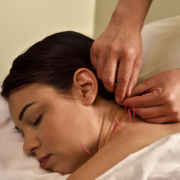
Acupuncture is a traditional Chinese medicine practice that involves inserting thin, sterile needles into specific points on the body to promote healing and restore balance. This ancient healing system is based on the concept that vital energy, known as “qi” (pronounced “chee”), flows through specific pathways called meridians throughout the body. When this energy flow becomes blocked or imbalanced, illness and discomfort can result.

The practice of acupuncture aims to restore proper energy flow by stimulating specific acupuncture points that correspond to different organs and body systems. These points have been mapped and studied for thousands of years, creating a comprehensive system that addresses both physical symptoms and underlying imbalances that may contribute to health problems.

Modern acupuncture treatments typically involve the insertion of very fine needles, much thinner than those used for injections or blood draws, into carefully selected points based on each patient’s individual condition and constitution. The needles are typically left in place for 15 to 30 minutes while patients rest comfortably, often experiencing a sense of deep relaxation during treatment.

Traditional Chinese Medicine theory views health as a state of dynamic balance between opposing forces (yin and yang) and the smooth flow of qi through the meridian system. Acupuncture treatments are designed to address imbalances and blockages that may be contributing to symptoms, working to restore harmony and support the body’s natural healing capabilities.

Contemporary acupuncture practice often integrates traditional Chinese Medicine principles with modern medical understanding of anatomy, physiology, and neuroscience. This integration allows practitioners to provide treatments that honor ancient wisdom while incorporating current scientific knowledge about how acupuncture affects the nervous system, hormone production, and immune function. Dr. Ruthie Harper in Austin, TX recognizes the value of this integrated approach in supporting comprehensive patient care.

Does Acupuncture Really Work?

The effectiveness of acupuncture has been demonstrated through both clinical experience spanning thousands of years and modern scientific research that explores the mechanisms by which acupuncture produces its therapeutic effects. Many patients report significant improvements in their symptoms following acupuncture treatment, often after other approaches have provided limited relief.

Scientific research has revealed several ways that acupuncture works to promote healing and symptom relief. Needle insertion at acupuncture points stimulates nerve endings, triggering the release of natural pain-relieving chemicals called endorphins and enkephalins. This neurochemical response can provide significant pain relief and contribute to improved mood and overall well-being.

Acupuncture also influences the autonomic nervous system, which controls many automatic bodily functions including heart rate, blood pressure, digestion, and stress response. By helping to balance sympathetic and parasympathetic nervous system activity, acupuncture can support relaxation, improve sleep quality, and enhance the body’s natural healing processes.

Research has shown that acupuncture can affect hormone production and regulation, including stress hormones like cortisol and reproductive hormones that influence menstrual cycles, fertility, and menopause symptoms. This hormonal balancing effect makes acupuncture particularly valuable for addressing hormone-related health concerns that are common in integrative medicine practices.

The anti-inflammatory effects of acupuncture have also been well documented in numerous studies, showing that treatments can reduce inflammatory markers and support immune system function. This anti-inflammatory action may contribute to acupuncture’s effectiveness for conditions involving inflammation, including arthritis, digestive disorders, and autoimmune conditions.

Individual response to acupuncture can vary based on factors including the specific condition being treated, overall health status, stress levels, and consistency of treatment. Many patients notice some improvement after their first few sessions, while others may require several treatments before experiencing significant benefits. Dr. Ruthie Harper in Austin, TX emphasizes the importance of individualized treatment plans that consider each patient’s unique needs and response patterns.

What is the Medical Evidence for Acupuncture?

The medical evidence supporting acupuncture’s effectiveness has grown substantially over the past several decades, with numerous high-quality clinical trials and systematic reviews demonstrating its benefits for various health conditions. The World Health Organization, National Institutes of Health, and other major medical organizations have recognized acupuncture as an effective treatment for many conditions.

Pain management represents one of the most well-researched applications of acupuncture, with extensive evidence supporting its use for chronic pain conditions including back pain, neck pain, osteoarthritis, and headaches. Large-scale systematic reviews and meta-analyses have consistently shown that acupuncture provides significant pain relief compared to standard care and placebo treatments.

Research on acupuncture for nausea and vomiting has produced particularly strong evidence, leading to widespread acceptance of acupuncture for chemotherapy-induced nausea, postoperative nausea, and morning sickness during pregnancy. Studies have shown that acupuncture can be as effective as anti-nausea medications for many patients while avoiding potential side effects.

Mental health research has demonstrated acupuncture’s effectiveness for anxiety, depression, and stress-related disorders. Clinical trials have shown that acupuncture can reduce anxiety symptoms, improve mood, and enhance overall quality of life, often with effects comparable to conventional treatments but with fewer side effects.

Reproductive health research has shown promising results for acupuncture’s role in supporting fertility, regulating menstrual cycles, and managing menopause symptoms. Studies have demonstrated that acupuncture can improve success rates for assisted reproductive technologies and provide significant relief from hot flashes and other menopause symptoms.

Digestive health research has shown acupuncture’s effectiveness for conditions including irritable bowel syndrome, acid reflux, and functional digestive disorders. Clinical trials have demonstrated improvements in symptoms, digestive function, and quality of life for patients receiving acupuncture treatments.

Sleep research has revealed acupuncture’s benefits for insomnia and sleep quality, with studies showing improvements in sleep duration, sleep quality, and daytime functioning. The relaxation response triggered by acupuncture appears to support better sleep patterns and overall rest and recovery. Dr. Ruthie Harper in Austin, TX stays current with emerging research to ensure that acupuncture services are based on the latest evidence-based practices.

What Conditions Can Acupuncture Treat?

Acupuncture’s versatility as a therapeutic modality makes it valuable for addressing a wide range of health conditions, from acute symptoms to chronic health challenges. The holistic nature of traditional Chinese Medicine allows acupuncture to address not just symptoms but also underlying imbalances that may be contributing to health problems.

Pain conditions respond particularly well to acupuncture treatment, including chronic back and neck pain, arthritis, fibromyalgia, headaches and migraines, sports injuries, and post-surgical pain. The pain-relieving effects of acupuncture often develop gradually over multiple sessions, with many patients experiencing significant long-term improvement in both pain levels and function.

Stress-related conditions benefit from acupuncture’s calming and balancing effects on the nervous system. Anxiety, depression, insomnia, chronic fatigue, and stress-related digestive problems often improve with regular acupuncture treatment. The relaxation response induced by acupuncture helps activate the body’s rest-and-repair mechanisms.

Women’s health conditions are particularly well-suited to acupuncture treatment, with research supporting its use for menstrual irregularities, menopause symptoms, fertility support, pregnancy-related discomfort, and postpartum recovery. Acupuncture’s hormone-balancing effects make it valuable for addressing reproductive health concerns throughout a woman’s life.

Digestive disorders including irritable bowel syndrome, acid reflux, bloating, constipation, and food sensitivities often respond well to acupuncture treatment. The nervous system regulation provided by acupuncture can help improve digestive function and reduce symptoms related to stress and digestive dysfunction.

Respiratory conditions such as asthma, allergies, chronic sinusitis, and frequent upper respiratory infections may benefit from acupuncture’s immune-supporting and anti-inflammatory effects. Regular treatment can help reduce the frequency and severity of respiratory symptoms while supporting overall immune function.

Neurological conditions including peripheral neuropathy, Bell’s palsy, post-stroke recovery, and certain types of tremors have shown positive responses to acupuncture treatment. The nervous system stimulation provided by acupuncture may help promote nerve healing and improve neurological function.

When integrated with conventional medical treatments, acupuncture can complement other therapeutic approaches while providing additional benefits for overall health and well-being. This integrative approach allows patients to address health concerns from multiple angles while supporting their body’s natural healing capabilities.

The upcoming addition of acupuncture services with Siren Törnqvist, who holds a Master’s Degree in Traditional Chinese Medicine & Acupuncture, will bring a depth of training that complements Dr. Ruthie Harper’s integrative approach to health in Austin, TX. This background allows for a broader perspective that supports balance, regulation, and healing in ways that extend beyond traditional medical models, creating comprehensive care plans that address both immediate symptoms and long-term wellness goals.

Acupuncture | Austin, TX

The integration of acupuncture into natural medicine practices represents a valuable expansion of therapeutic options for patients seeking comprehensive, holistic healthcare. When used alongside personalized medical treatment plans, proper nutrition, and lifestyle guidance, acupuncture can complement a broader strategy for long-term health, wellness, vitality, and longevity.

If you live in Austin, TX and are interested in learning more about how acupuncture might complement your health and wellness goals, Siren Törnqvist’s upcoming acupuncture services will provide expert care that integrates seamlessly with comprehensive medical care. This holistic approach to health optimization addresses both immediate concerns and long-term wellness objectives to help you achieve your best possible health. To learn more about acupuncture and our other integrative health services, schedule an appointment with Dr. Ruthie Harper.

Austin, TX Acupuncture: 512-343-9355